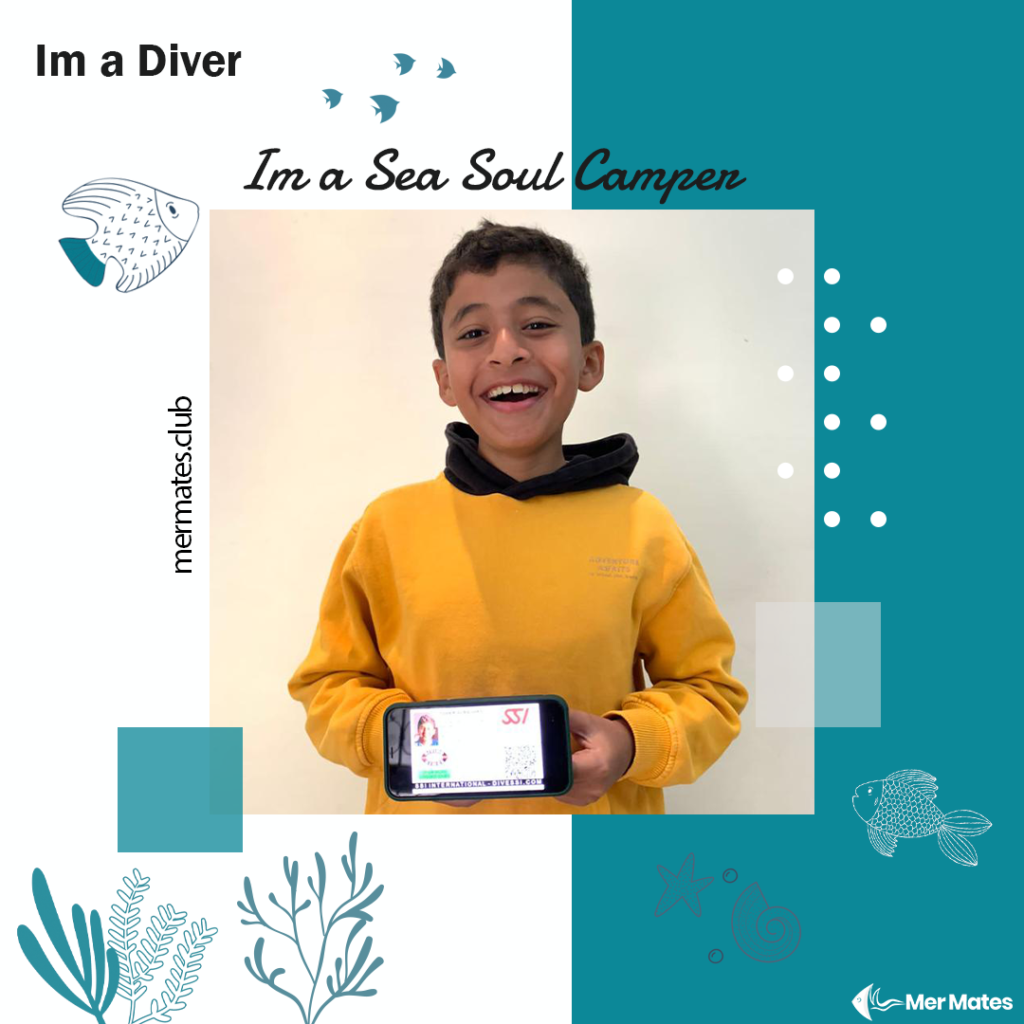
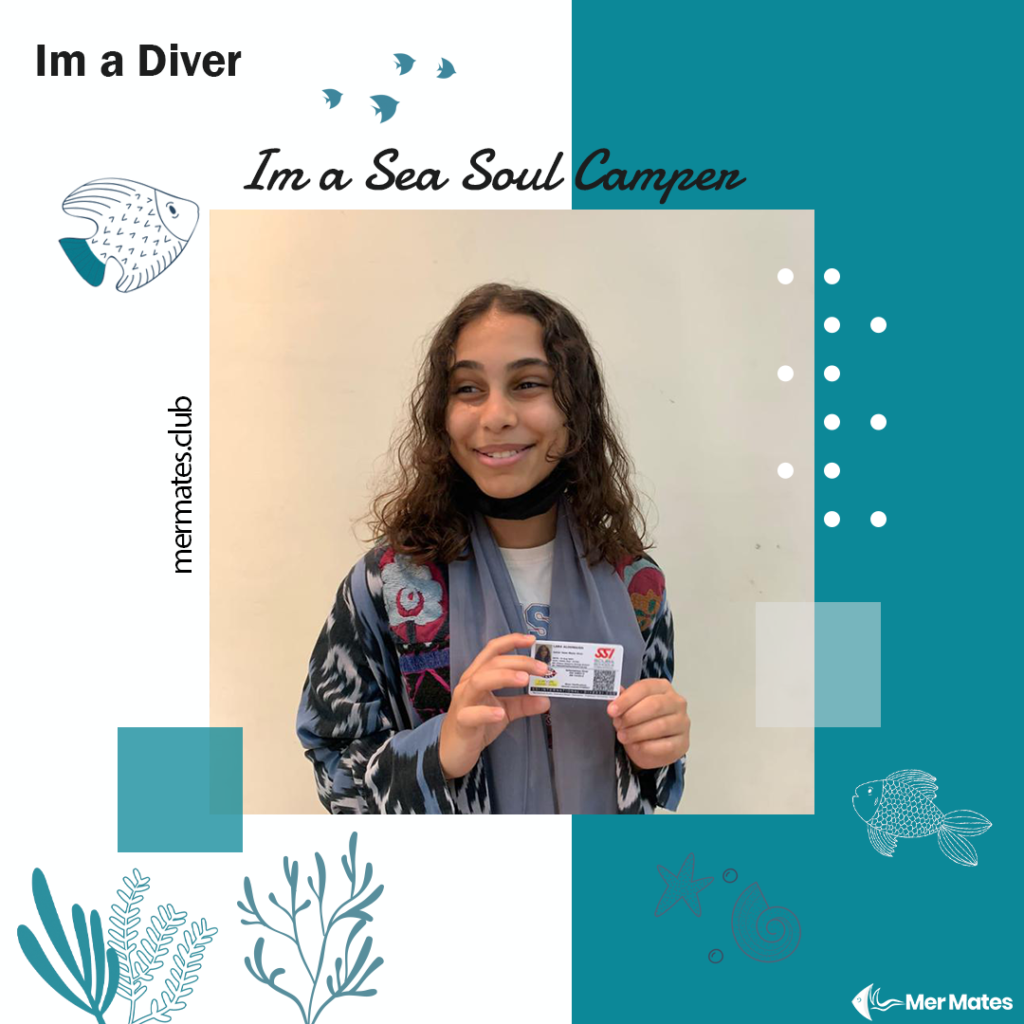
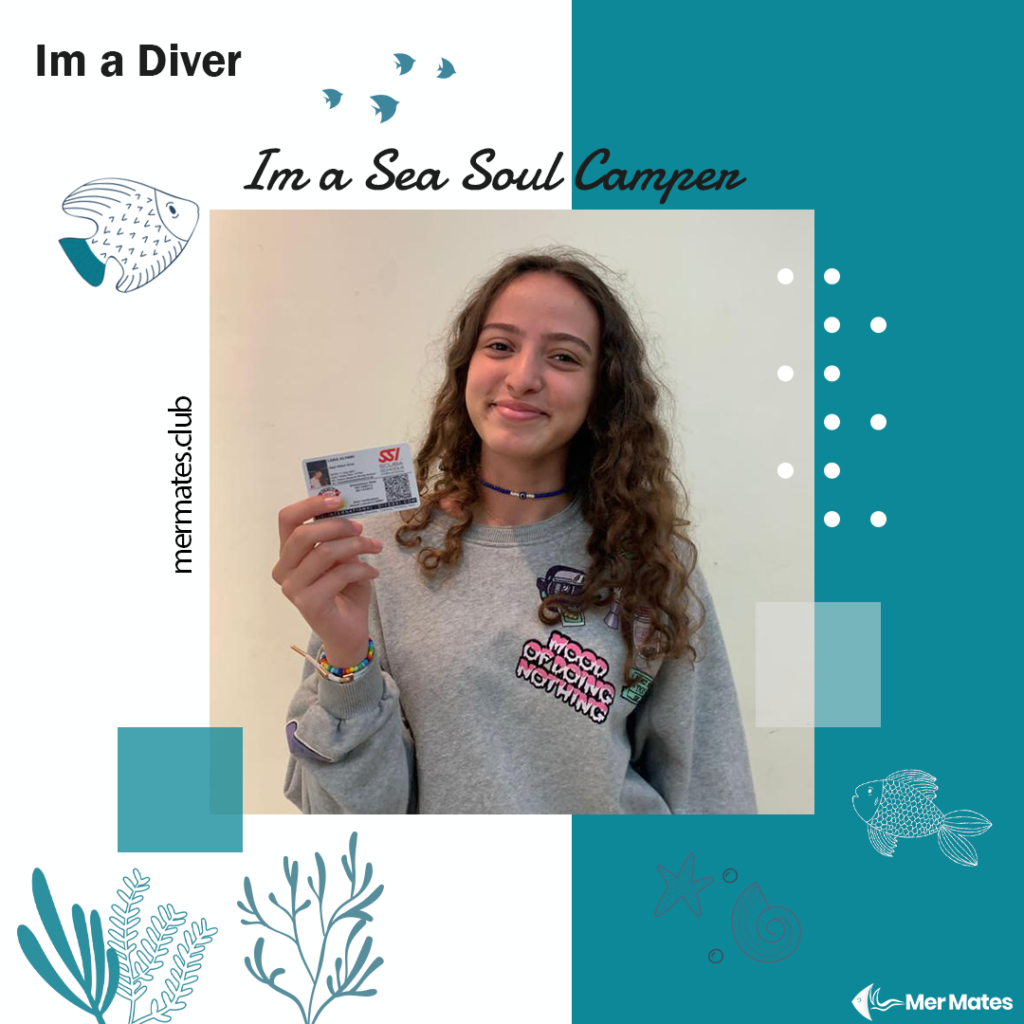
Sea Soul Camp is a hub for teenagers where they can have a safe environment to grow, learn, and be entertained. The camp integrates important human values with fun and learning through the beautiful Red Sea. The main goal of the camp is to equip tomorrow’s leaders with life’s important values through interacting with earth’s nature and not the typical classroom setting.
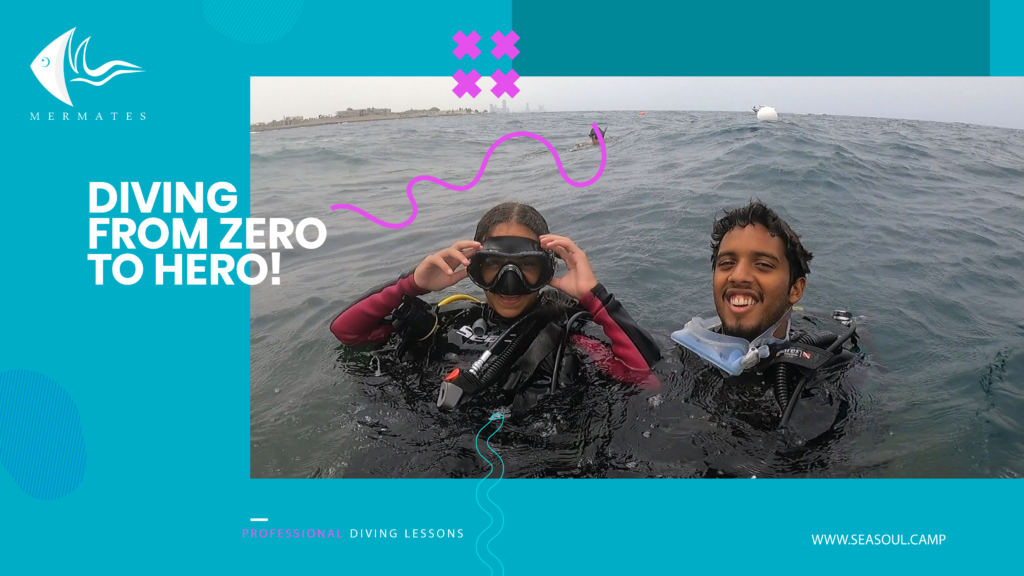
Targeted Age Group: 11-19
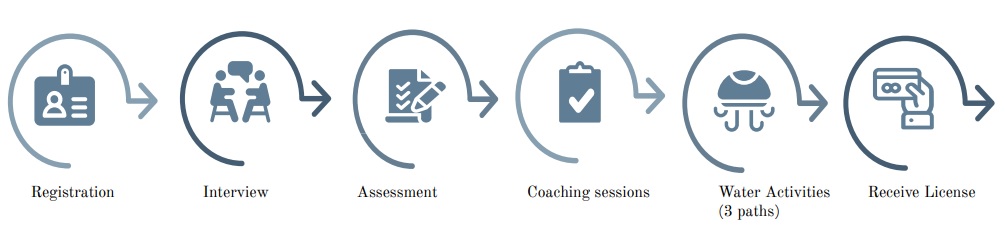
Sea Soul Camp Journey
Objectives
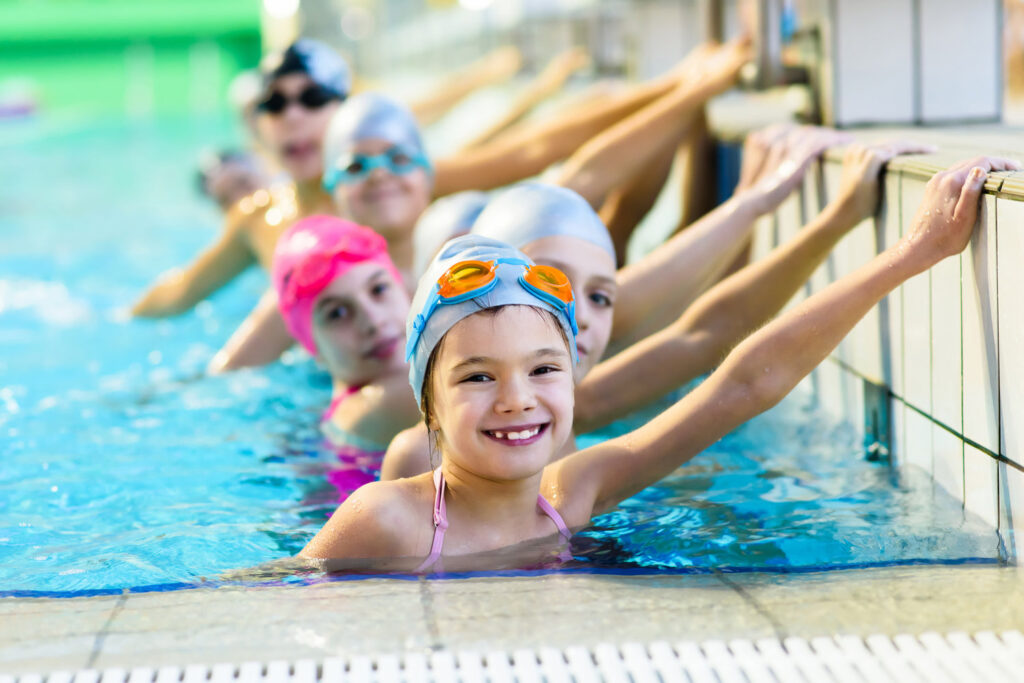
• The Youth Sea Soul Summer Camp aims to create an exciting and accessible environment to develop swimming & diving.
skills to create a confident community leaders in & out of the sea.
• Building a network of marine conservation with other international communities.
• One essential skill behind all the training above is how to be safe while swimming and diving in new environments!
Program Pillars
Relationship Building
Service Learning Project
Underwater Life Seminar
Adventure
Relationship Building
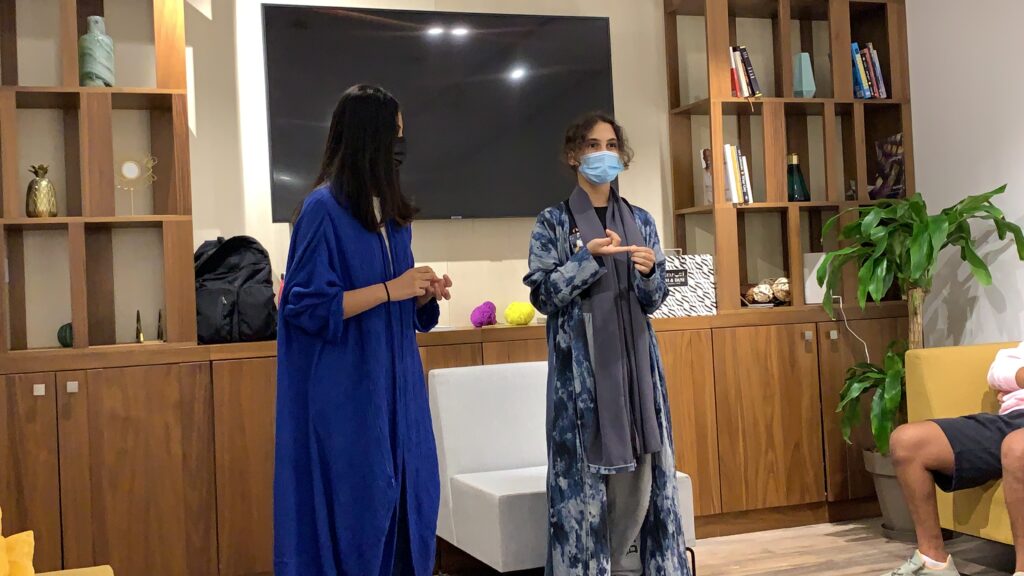
- Diving plays a large role in building relationships. This camp’s participants develop effective communication skills, evolve their emotional awareness and practice their empathy.
- Relationships are the core of everyday encounters therefore the importance of strengthening our youths’ relationship building skills will be crucial especially throughout their adult life.
- Relationship building is the process of cultivating personal traits, such as confidence and becoming more in tune with your and others’ emotions.
- The key behind building relationships is trust. Learning to not only trust others but also trusting yourself, and always being your authentic self.
Reiss Motivation Profile
The RMP assesses 16 needs relevant to academic achievement, mindset, interpersonal relationships, and career interests. The results enable to identify motivational reasons for poor grades and inappropriate behavior not related to a disability – and to plan effective interventions tailored to the student’s individual needs. The data is used to implement successful strategies to promote a positive mindset, while school counselors can offer students thoughtful advice about career choices based not only on the students’ skills but also on the students’ intrinsic motives.
Service Learning Project
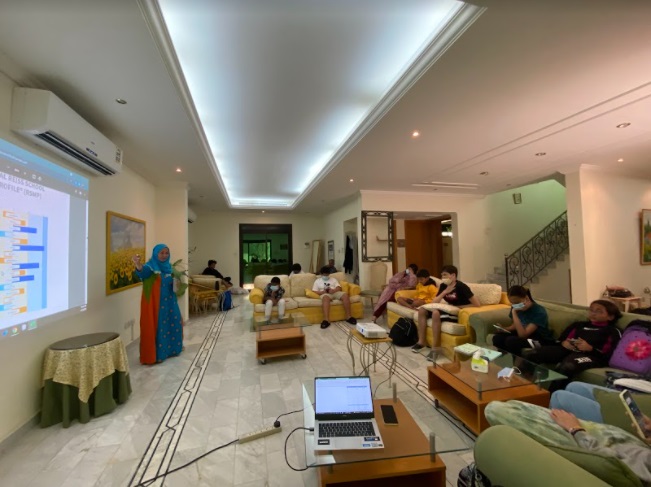
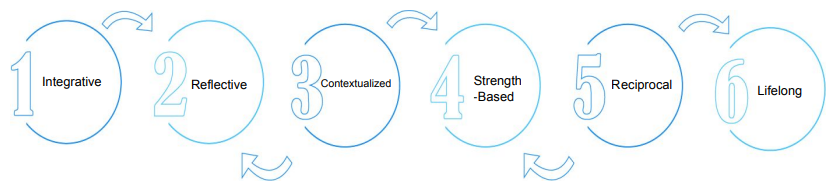
earning refers to learning that actively involves students in a wide range of experiences, which often benefit others and the community, while also advancing the goals of a given curriculum.
• Community-based service activities are paired with structured preparation and student reflection.
6 Qualities of Service learning
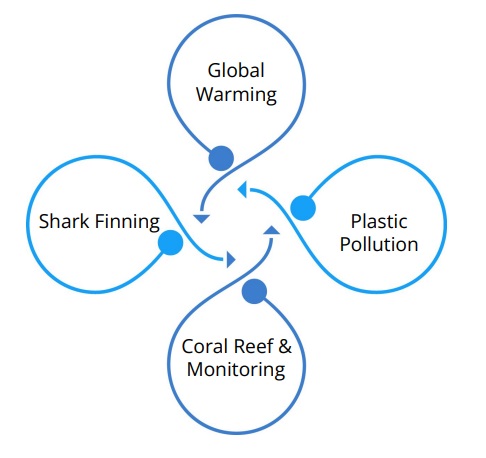
Service-learning Activities
Marine Life Seminar
Once you learn to recognize what types of fish you see, you’ll find it easier to reference the exact species enjoying the water.
For example, a butterfly fish in the Caribbean has a similar shape to a butterfly fish in Southeast Asia, but colors and markings may be wildly different. If you know what fish family it belongs to, you can more easily look up the local name or at least be able to intelligently ask the local scuba instructor what you saw.
You’ll learn:


Adventure
• Our students explore Saudi diving sites in small groups of like-minded peers and are challenged and supported by highly qualified instructors to discover and build on their own abilities through hands-on and intentionally designed
adventures.
• The sites and communities we visit provide perfect landscapes for intellectual discovery, skill mastery, & experience and incomparable adventure.
SSI Blue Oceans

ENVIRONMENTAL AWARENESS
- Commit to personally protect the environment
- Prevent others from causing damage through positive action and motivation
- Support useful projects and organizations dedicated to marine protection
- If possible, collect garbage on your dives – but only if doing so does not cause more damage to the environment
- If possible, cut hanging ropes and collect floating nets and plastics
- Inform your buddy or the crew on the surface if you were not able to remove the net
- Never eat shark fins, whale meat, turtle eggs, etc.
- Report immediately violations of the ban on the use of marine animals as souvenirs
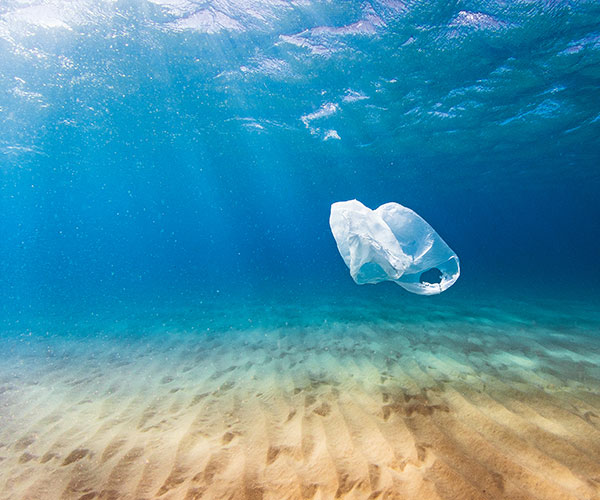
AVOID GARBAGE
- Never throw inorganic waste into the sea – Plastics decompose incredibly slowly
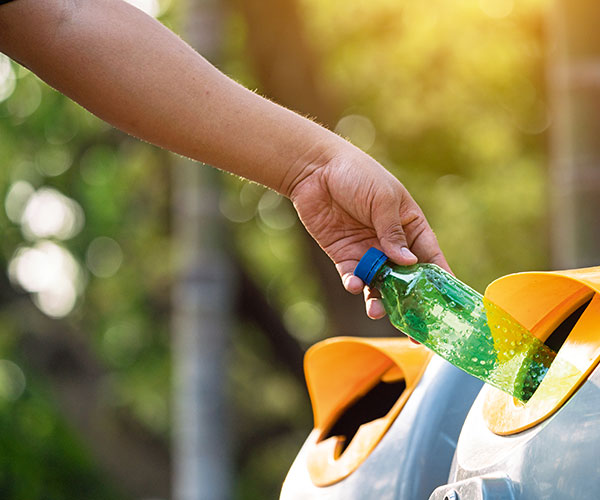
- Minimize the production of garbage: Use reusable coffee mugs and lunch boxes, glass or metal bottles and shopping bags
- Do not bring unnecessary packaging to the resort
- Dispose of your waste in as eco-friendly a manner as possible
- If you smoke, dispose of cigarette butts in the proper receptacle, not on the ground or in the water
DEALING WITH THE UNDERWATER WORLD
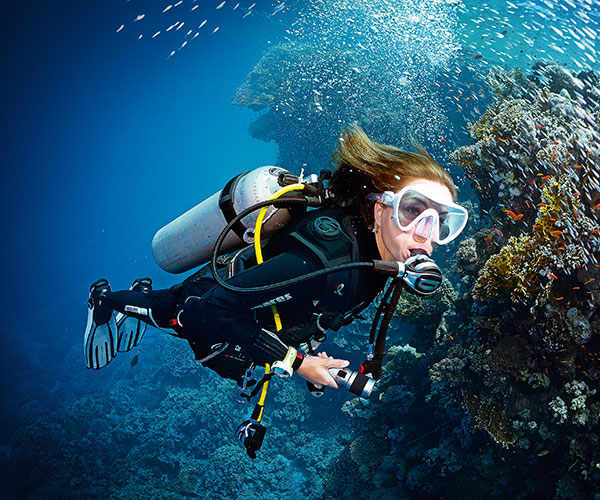
- Only use a swim-through if you can do so without touching anything
- Don’t swim or snorkel too close to the reef
- Don’t touch or break corals
- Use labeled entrances/exits for the water
- Don’t disturb the sand, since it reduces visibility and smothers corals
- Don’t hunt or bother animals
- Don’t touch animals unless properly trained
- Don’t feed animals
- Don’t take souvenirs from the sea – broken coral pieces or empty snail shells still serve as useful habitat
- Only place a reef hook where it will not damage or disturb the reef
- Do not disturb animals or habitat to improve your photo opportunity
RESPONSIBLE USE OF RESOURCES
- Shower only as long as required to get clean, especially in areas with minimal ability to store/purify water
- Wash your equipment in the provided container, and only when necessary – often it’s enough to clean equipment thoroughly at the end of the dive trip
- Turn off the lights when you aren’t using them
- Use alternative transportation or walk instead of driving
- Avoid unnecessary waste – food plans and shopping lists help save you money, and prevent purchasing unnecessary food that may go to waste
Safety and security on yachts
-Through a real cruise, the skills of preparation, planning and foresight will be applied.
-A young person is not a leader with values, except through real situations. A simulated environment will be created to apply security, safety and rescue skills.
-Practical training will relate to responsibility and the preservation of lives and the environment.
International License
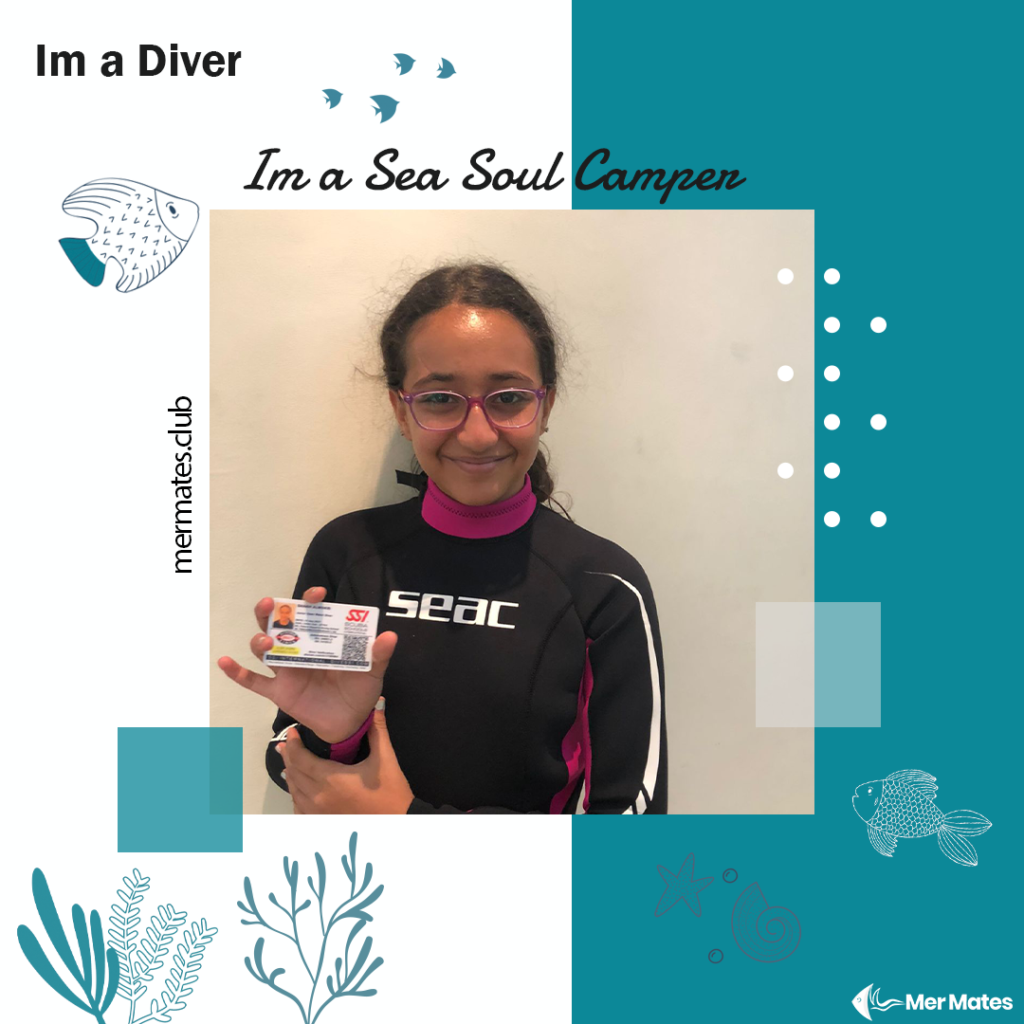
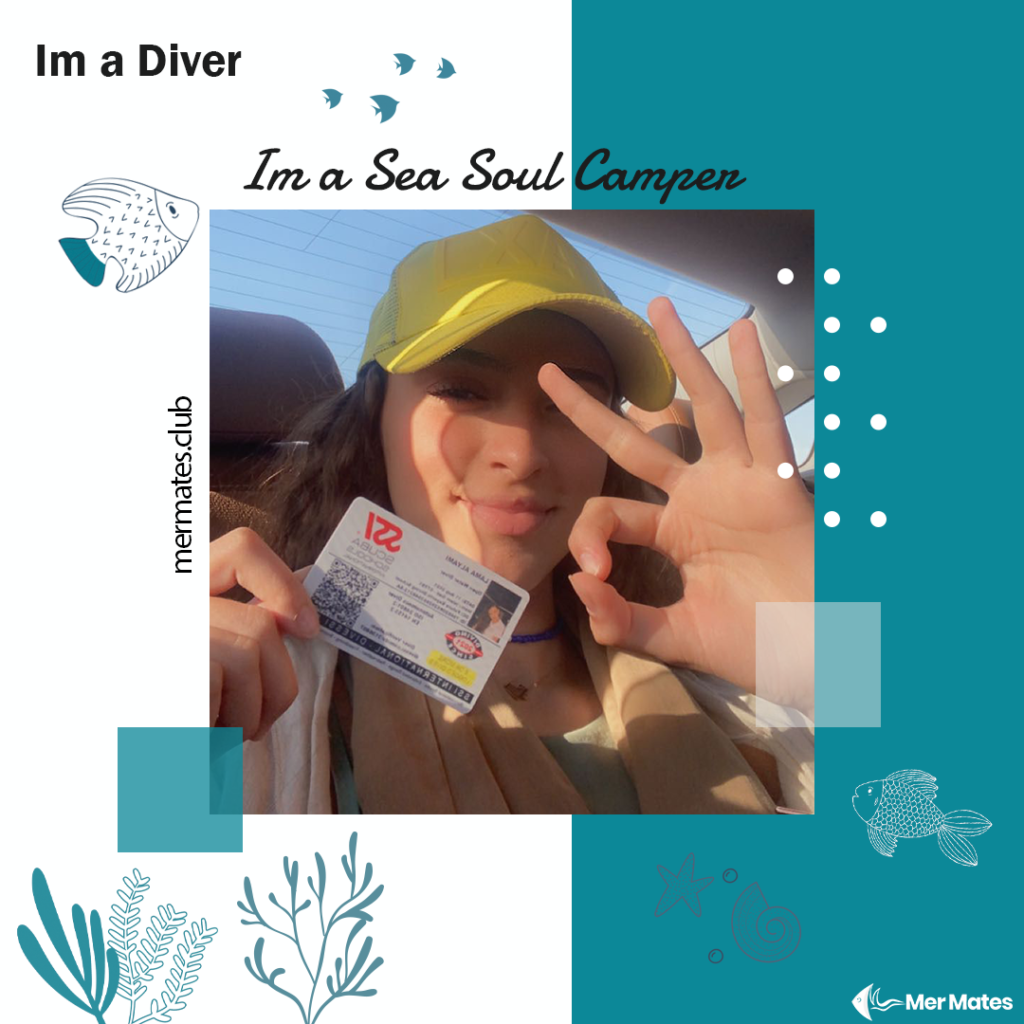
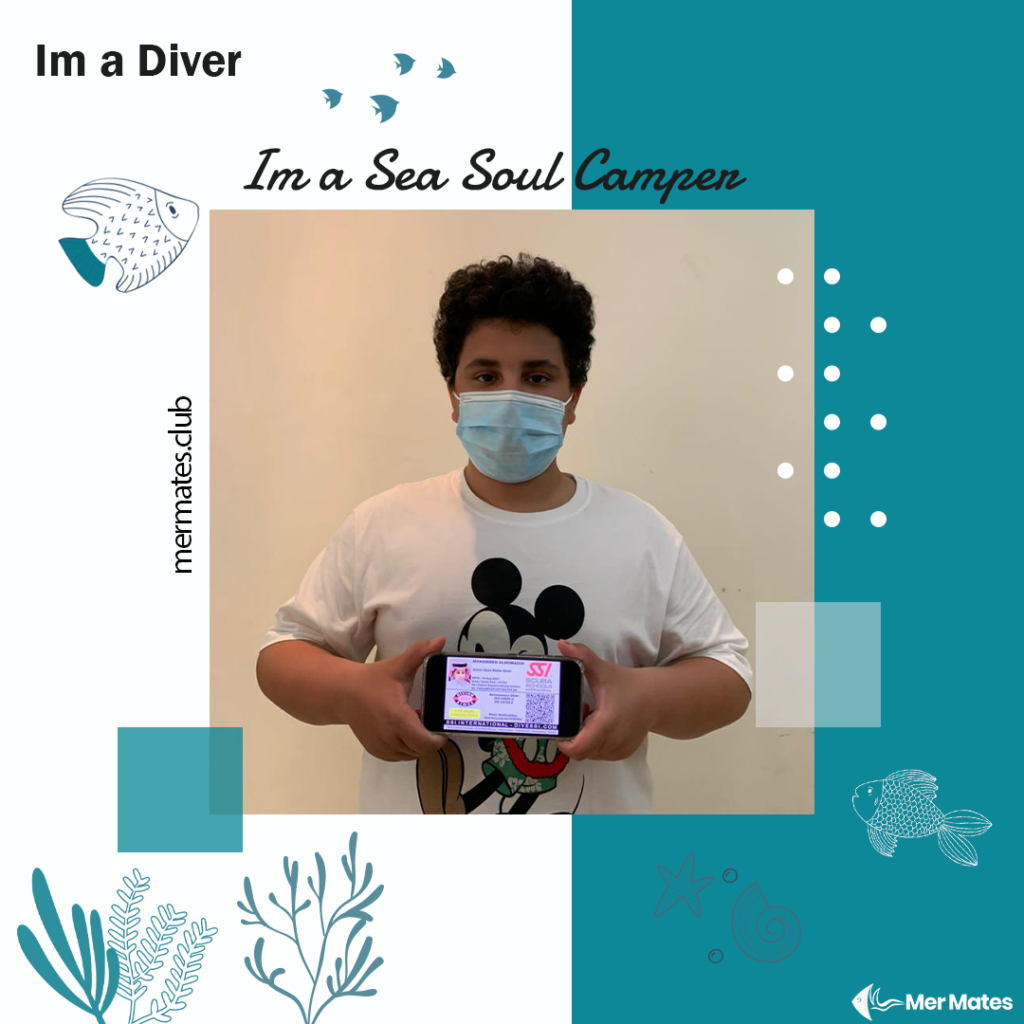
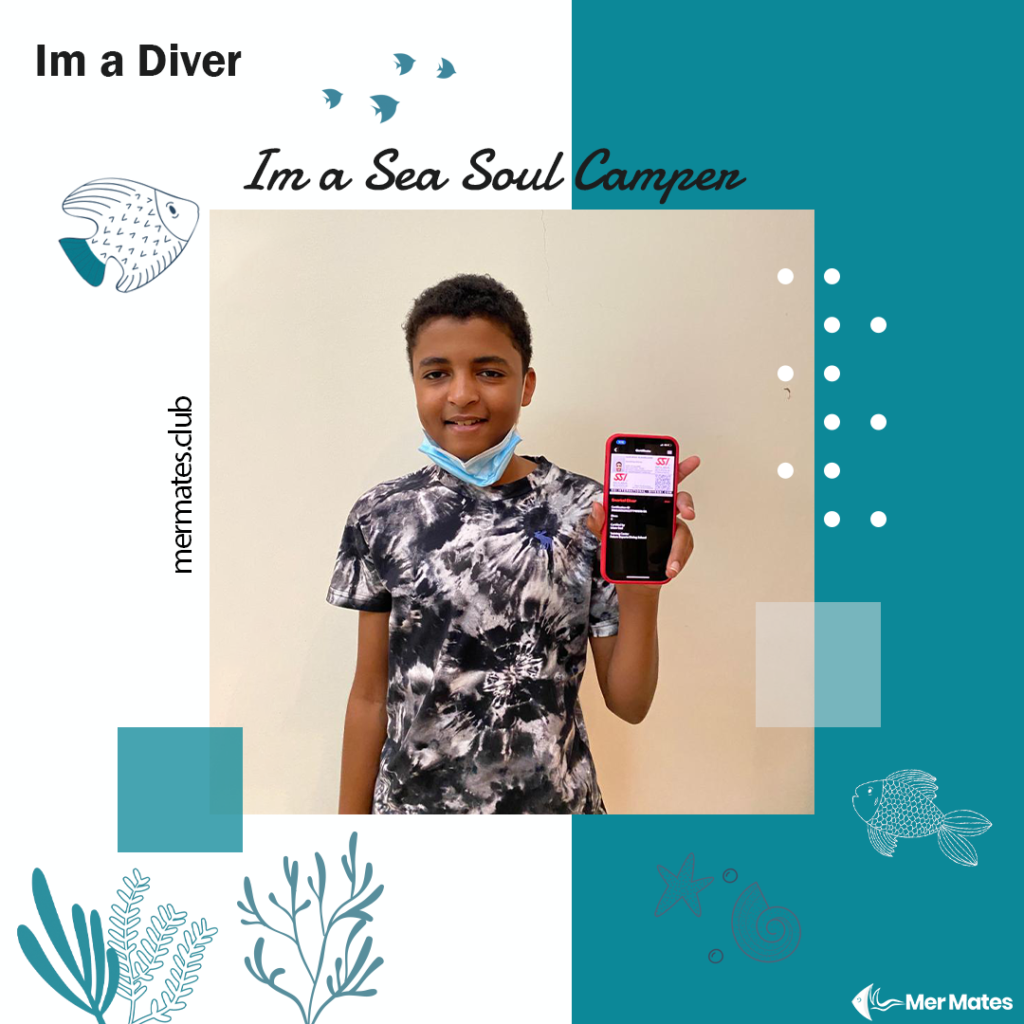
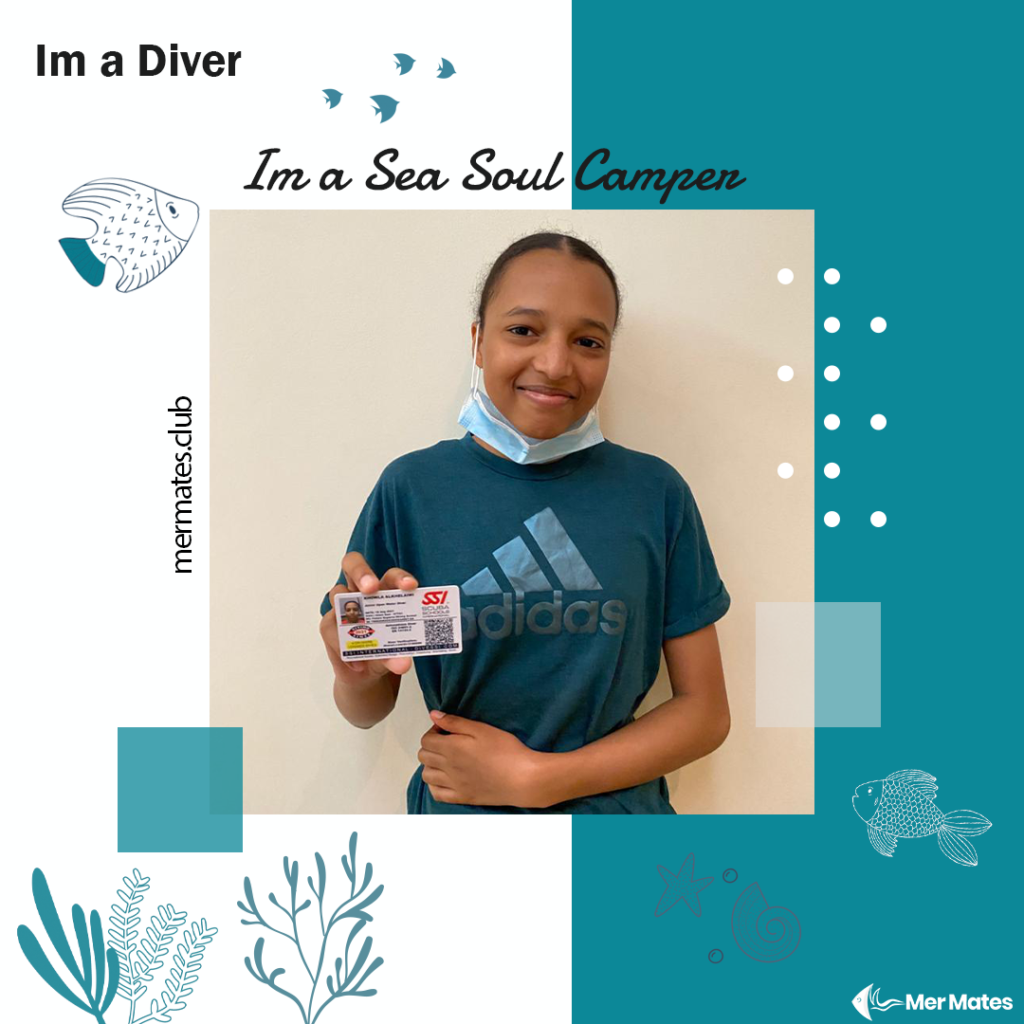
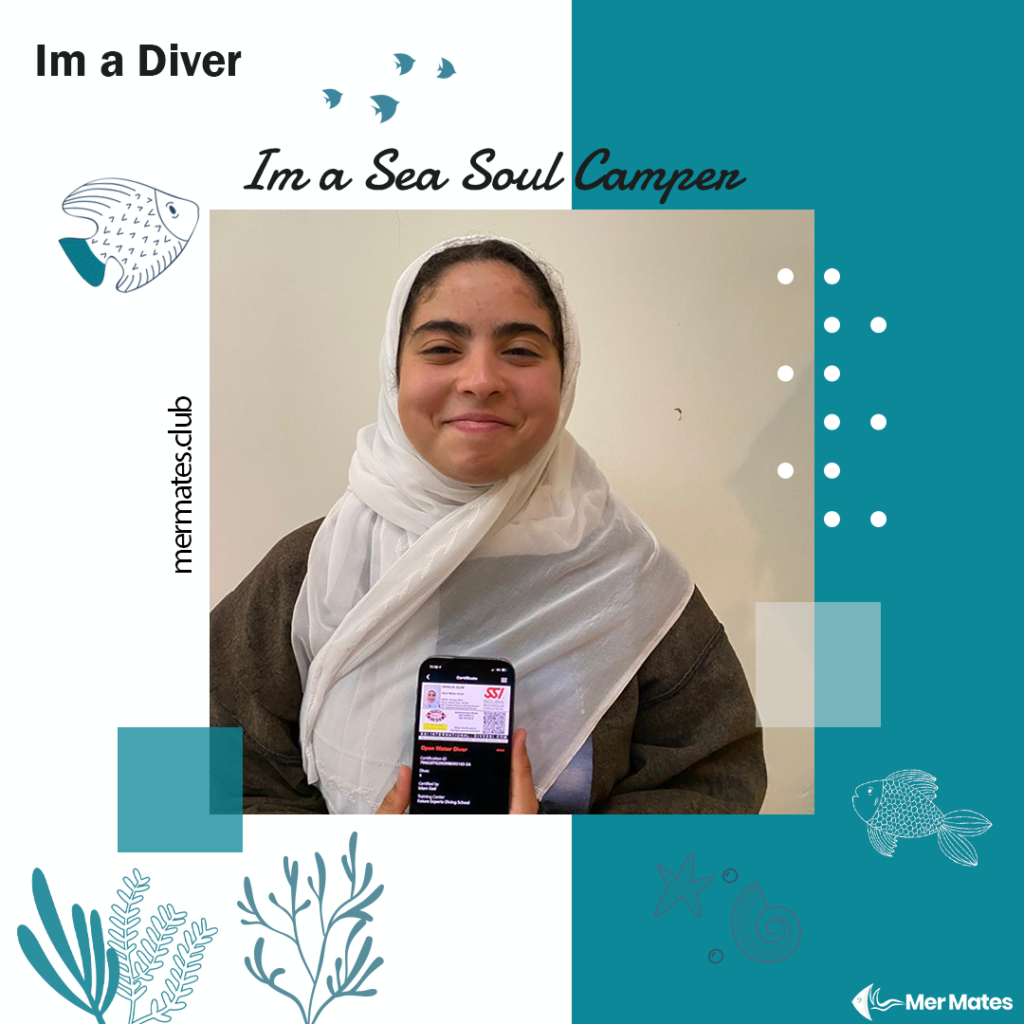
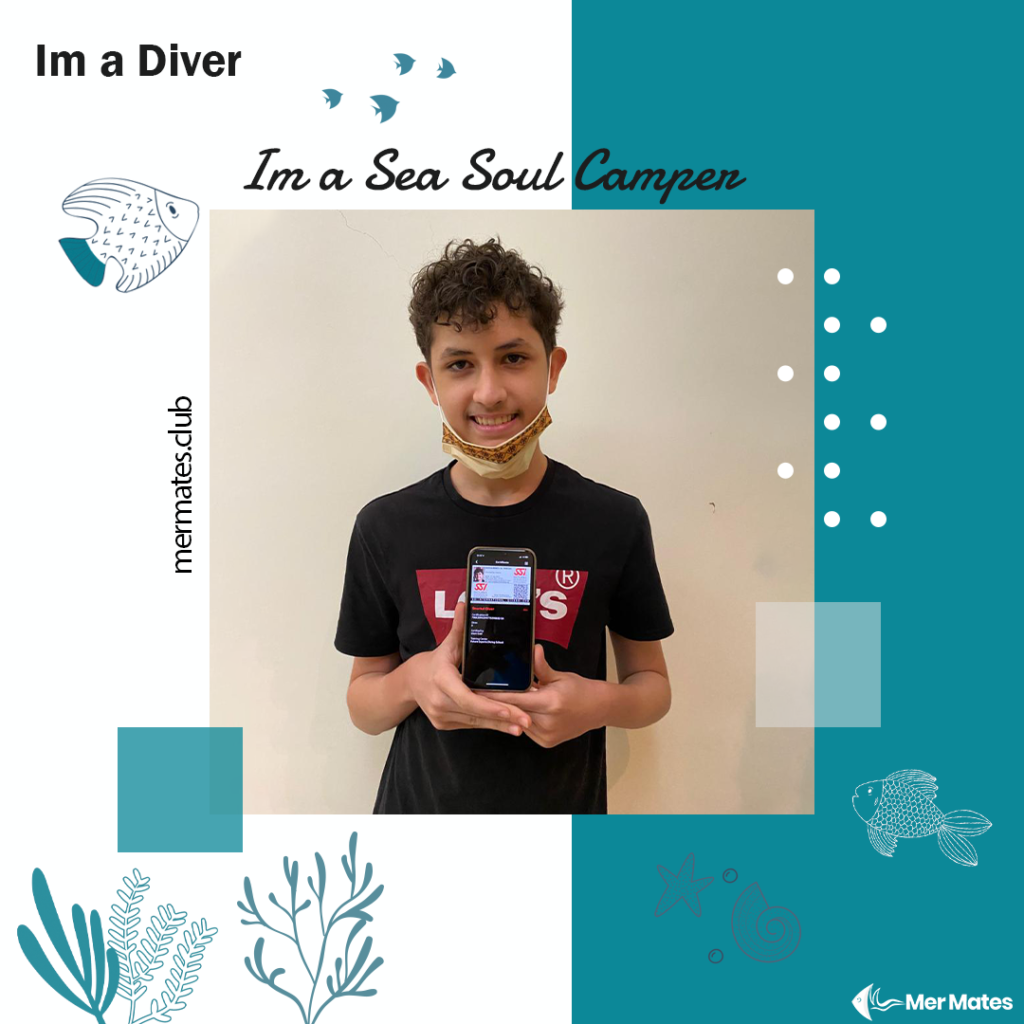
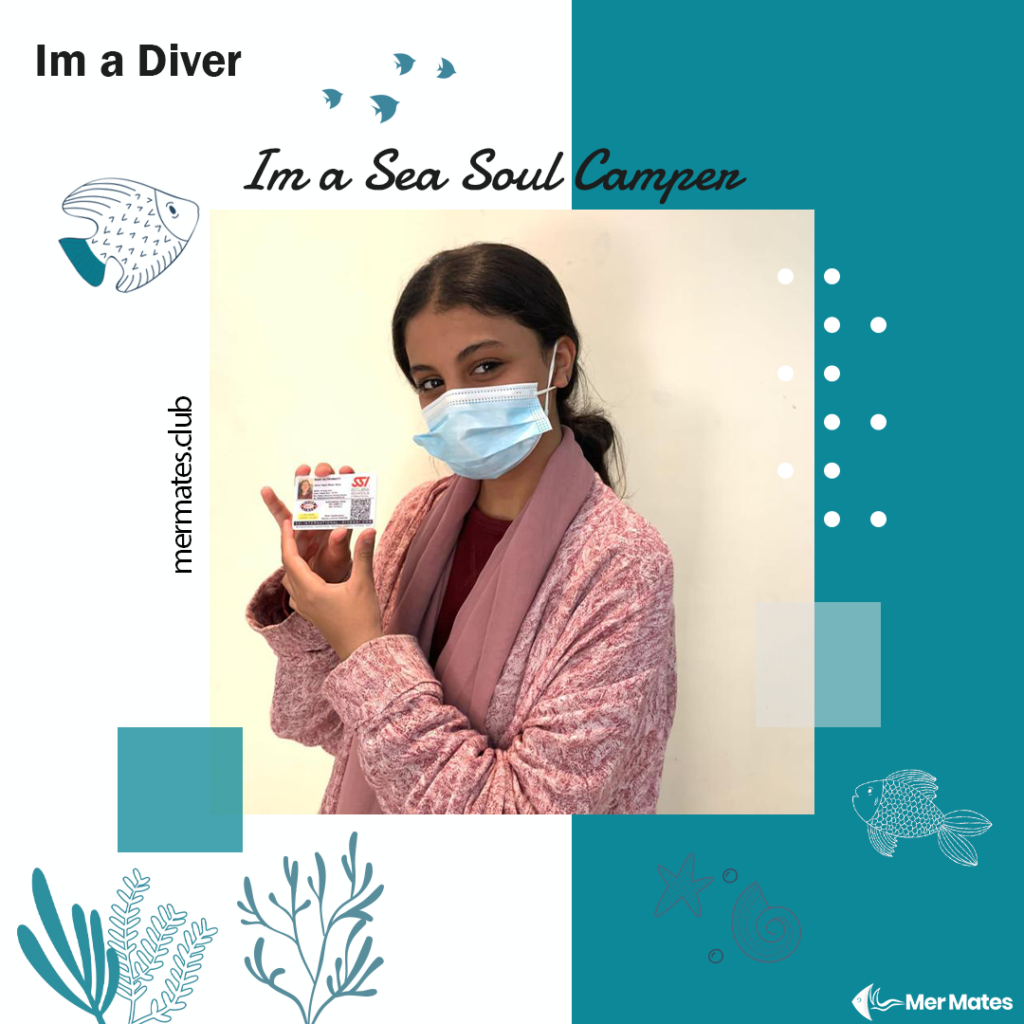
After completing all the requirements you’ll receive your internationally recognized license from Scuba Schools International.
For more advancement and to be more comfortable diver, we’ll introduce you to the scuba diving path from SSI.
• Note: If you didn’t complete all the requirements in the given time you may need an extra pool/open water session with extra fees.